Hi, my name is Tom Smykowski, I'm a staff full-stack engineer. I build and scale SaaS platforms to millions of users, working end-to-end from system architecture to frontend to mobile. On this blog I share what I learn about software engineering, design evolution, and staying ahead in the fast-paced tech world.
What This Article Covers
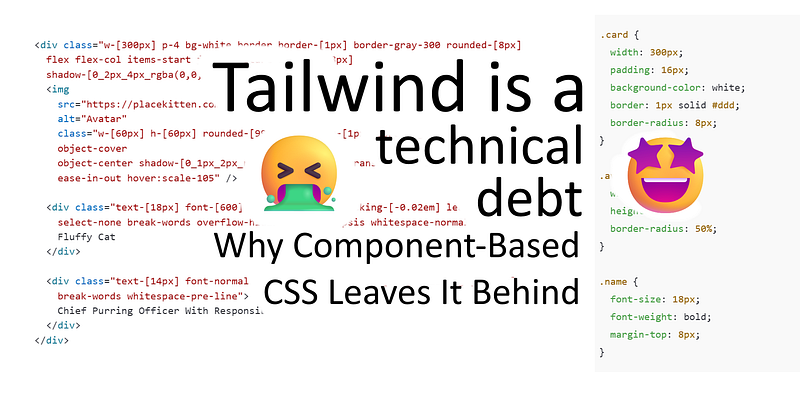
Explore the evolution of CSS from global stylesheets to component-based frameworks, and why Tailwind CSS is now considered a technical debt in modern web development. This article delves into the historical context of Tailwind's rise, its initial advantages, and why component-based CSS offers a superior alternative for scalability and maintainability.
Questions This Article Answers
- What historical challenges did Tailwind CSS aim to solve in web development?
- Why is Tailwind CSS now considered a technical debt in modern, component-based frameworks?
- How do scoped, semantic CSS classes compare to utility-first approaches like Tailwind?
- What are the pitfalls of using Tailwind for high fidelity design in React, Vue, or Angular apps?
- How does component-based CSS improve code maintainability and clarity?
Length and Time
An insightful exploration with expert analysis and practical insights. Approximately 10 minutes to read.