I'm currently looking for a new project to join, which gives me a front-row seat to what hiring looks like in 2026 for software engineering roles. So I decided to write this article to shed some light on the challenges, and specifically, if you're a founder or CEO, how to choose your first engineer well.
Hi, my name is Tom Smykowski. I'm a founding engineer with 19 years in software, now exploring AI-assisted development and sharing what I learn. On this blog I write about engineering, AI, and building products that scale.
This article is for you if you already have a bootstrapped project, an investor, or a co-founder investing in the project. You're at a stage where making the right choice has critical importance for success.
2026 is an interesting year for hiring for several reasons. Here's an anecdote: one of the companies I applied to responded that they receive about 1,500 CVs daily and will reply as quickly as they can. This already shows something is broken. If you're getting that many CVs, your recruitment process is totally broken.
The reason for this is probably not that there's less need for programmers now. It stems from companies cutting HR departments. We saw this start a few years ago, and now we're seeing the effects. There's no filter, so companies accept absolutely everyone into their candidate funnel and then try to do something with it.
I've recruited many people in my life, including software engineers, and the fact is that usually at the end you're left with many candidates, each with equal chances. They have similar knowledge, experience, skills, cultural fit, and financial expectations. So in the first stage, with such a broken process, you unfortunately have to filter out candidates who don't meet the criteria.
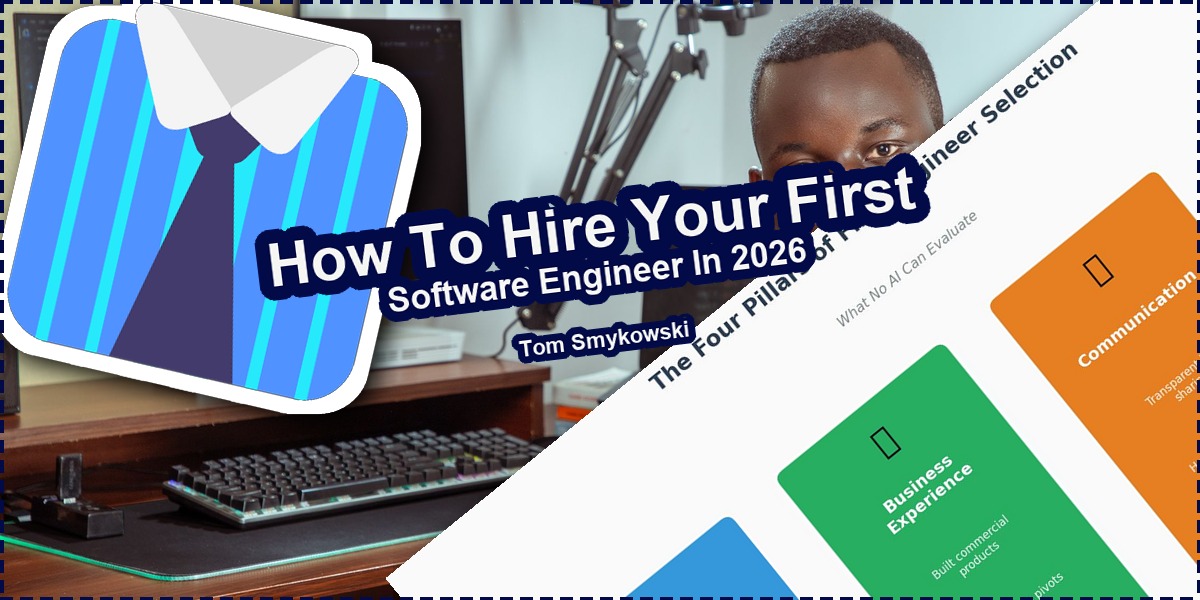
What I look at in candidates are several things that are especially important when you're just developing a company: passion, business experience, communication skills, and AI adoption. These four pillars go beyond what any automated system can evaluate.